Sailor Hocoro Pen Stand & Nib Case
Sailor Hocoro Pen Stand & Nib Case
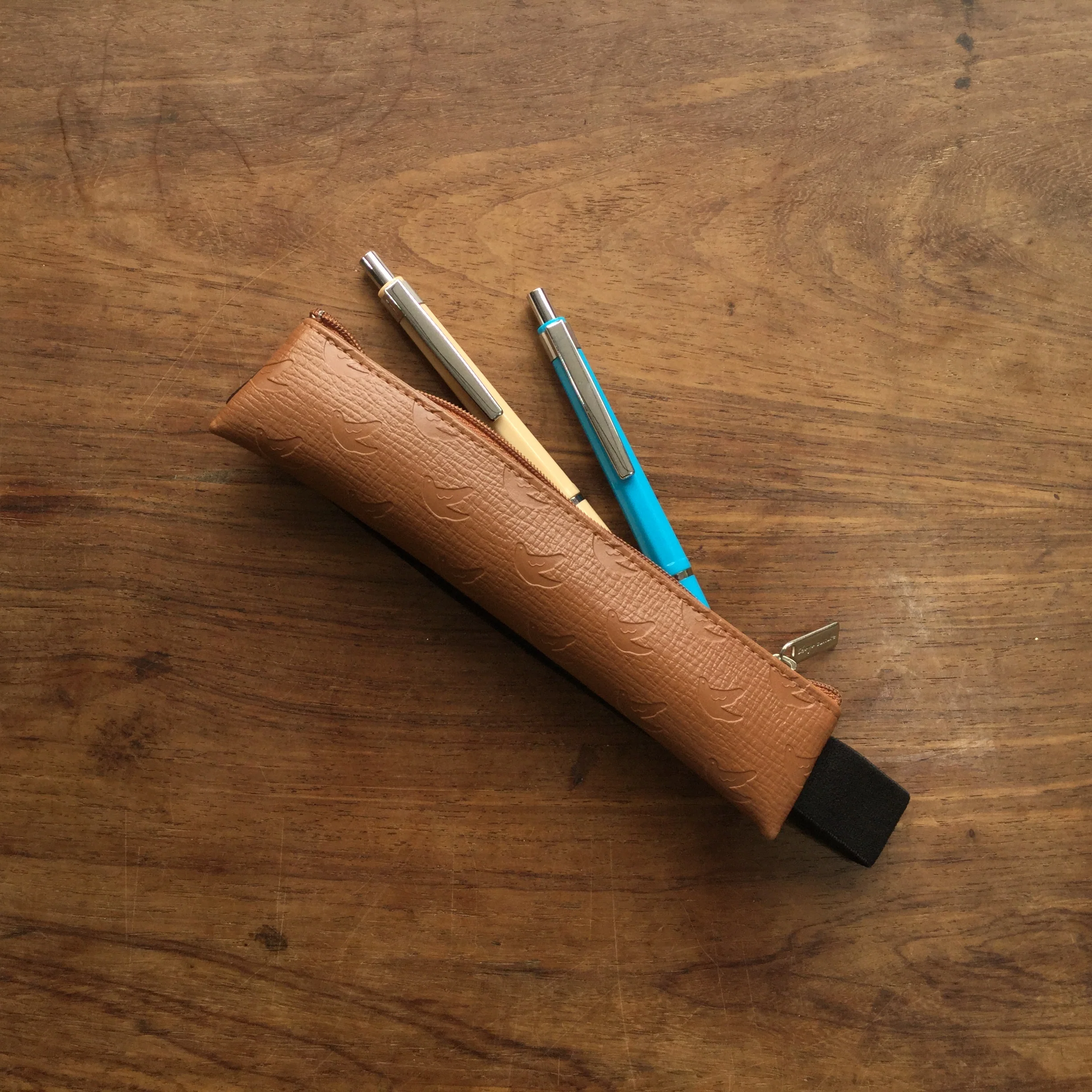
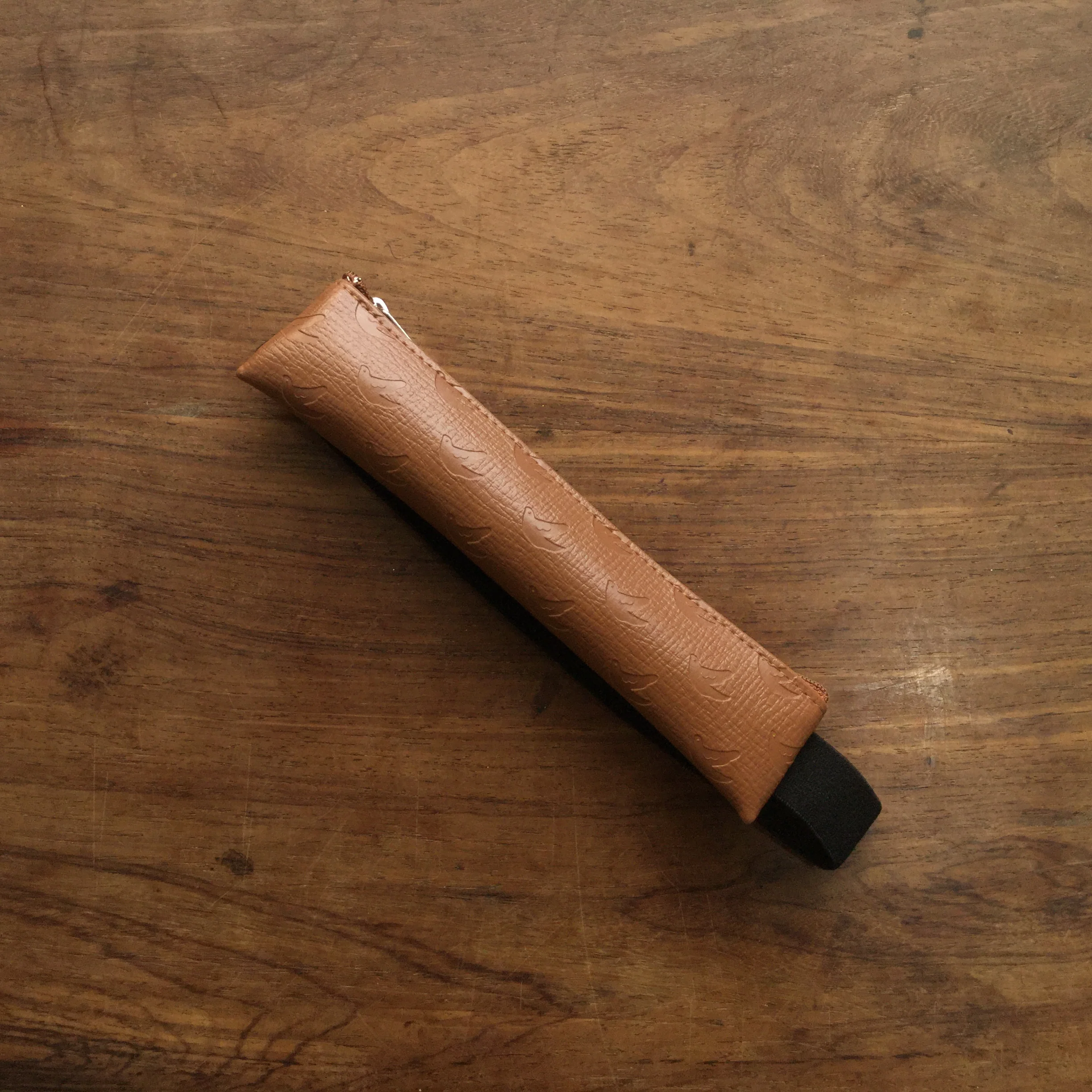
This cute and compact stand is used for Sailor's Hocoro Feed-less Fountain Pen series. You can store your nibs and barrels to easily switch between styles and nib sizes. It's nice for both carrying around or setting on your desk.
Details:
- Material: PC, Silicone Resin
- 67 x 20 x 33mm
- 11.6g
About Hocoro Dip Pens:
Sailor Hocoro Dip Pens were initially released in December 2021 and are Sailor's version of the increasingly popular dip pens adored by fountain pen and ink enthusiasts! Sailor's take on dip pens features several very unique features that have made the Hocoro Dip Pen a favorite. As with most dip pens, Sailor Hocoro Dip Pens make it very easy for you to write with fountain pen inks without having to worry about cleaning them out or committing to one ink color for a longer period of time. Since the pen only comes with a nib and no feed, the only thing you have to do to switch between ink colors is dip in some water and wipe off with a cloth.
Where the Sailor Hocoro differs from most other dip pens is in its customizability and portability. The Hocoro's nib comes housed in a resin section that can be completely pulled out and removed from the pen, allowing you to swap nib units out for another nib size so you can alternate from writing with a Fine nib to a Calligraphy nib or even a Fude nib.
While many other dip pens are meant to stay put on your desk, the Hocoro is portable. Its lightweight and short barrel make it easy to slip into a pen case for swatching, writing or even drawing with ink on the go. And in place of a cap, which would add unnecessary length and bulk to the dip pen, simply pull the nib out of the barrel and invert it into the hollowed out barrel to "cap" the pen for travel.
-
Sailor Hocoro Dip Pen Nibs available
- Sailor Hocoro Dip Pen Feed available
- More Sailor Hocoro Dip Pen
About Sailor:
Sailor was founded in 1911. The founder Kyugoro Sakata was given a fountain pen by a friend returning from the UK after studying at the Royal Navy. He was inspired and determined to start making fountain pens in Japan. Sailor became the first fountain pen company in Japan, and earned many more firsts in Japan -- first ballpoint pen in 1948, first ink cartridge in 1954 and first brush pen in 1972, etc.
In the 1970's, Sailor made a popular beginner fountain pen, "Candy," that sold more than 15 million within a few years. However, the number of the fountain pen users were declining as ballpoint pens became more mainstream.
In 1981, Sailor decided to go in the opposite direction from their "Candy" pen and began focusing on producing a higher standard series, which is the 1911 series we see today. Their focus on making a higher standard provides a great foundation for their later series of pens. Today, Sailor makes one of the most diverse lines of nibs, some of which are designed for specific writing purposes such as writing musical notes to one that is best for character writing.
Original: $8.00
-70%$8.00
$2.40Product Information
Product Information
Shipping & Returns
Shipping & Returns
Description
Sailor Hocoro Pen Stand & Nib Case
This cute and compact stand is used for Sailor's Hocoro Feed-less Fountain Pen series. You can store your nibs and barrels to easily switch between styles and nib sizes. It's nice for both carrying around or setting on your desk.
Details:
- Material: PC, Silicone Resin
- 67 x 20 x 33mm
- 11.6g
About Hocoro Dip Pens:
Sailor Hocoro Dip Pens were initially released in December 2021 and are Sailor's version of the increasingly popular dip pens adored by fountain pen and ink enthusiasts! Sailor's take on dip pens features several very unique features that have made the Hocoro Dip Pen a favorite. As with most dip pens, Sailor Hocoro Dip Pens make it very easy for you to write with fountain pen inks without having to worry about cleaning them out or committing to one ink color for a longer period of time. Since the pen only comes with a nib and no feed, the only thing you have to do to switch between ink colors is dip in some water and wipe off with a cloth.
Where the Sailor Hocoro differs from most other dip pens is in its customizability and portability. The Hocoro's nib comes housed in a resin section that can be completely pulled out and removed from the pen, allowing you to swap nib units out for another nib size so you can alternate from writing with a Fine nib to a Calligraphy nib or even a Fude nib.
While many other dip pens are meant to stay put on your desk, the Hocoro is portable. Its lightweight and short barrel make it easy to slip into a pen case for swatching, writing or even drawing with ink on the go. And in place of a cap, which would add unnecessary length and bulk to the dip pen, simply pull the nib out of the barrel and invert it into the hollowed out barrel to "cap" the pen for travel.
-
Sailor Hocoro Dip Pen Nibs available
- Sailor Hocoro Dip Pen Feed available
- More Sailor Hocoro Dip Pen
About Sailor:
Sailor was founded in 1911. The founder Kyugoro Sakata was given a fountain pen by a friend returning from the UK after studying at the Royal Navy. He was inspired and determined to start making fountain pens in Japan. Sailor became the first fountain pen company in Japan, and earned many more firsts in Japan -- first ballpoint pen in 1948, first ink cartridge in 1954 and first brush pen in 1972, etc.
In the 1970's, Sailor made a popular beginner fountain pen, "Candy," that sold more than 15 million within a few years. However, the number of the fountain pen users were declining as ballpoint pens became more mainstream.
In 1981, Sailor decided to go in the opposite direction from their "Candy" pen and began focusing on producing a higher standard series, which is the 1911 series we see today. Their focus on making a higher standard provides a great foundation for their later series of pens. Today, Sailor makes one of the most diverse lines of nibs, some of which are designed for specific writing purposes such as writing musical notes to one that is best for character writing.